
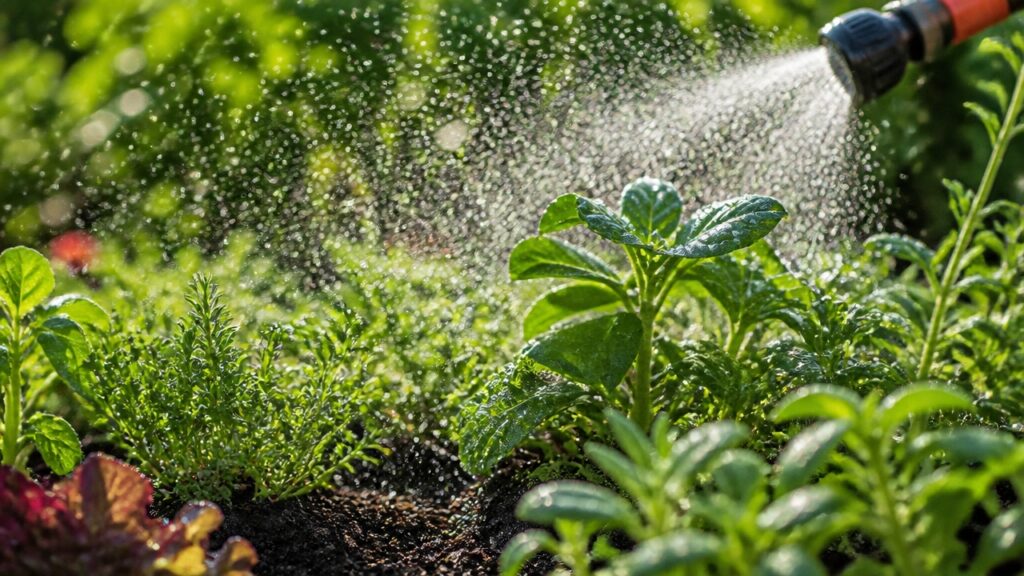
Walking through a garden that’s thriving versus one that’s struggling often comes down to one simple factor: water. Many gardeners find themselves second-guessing the basics, wondering how often to water, what signs mean a plant is thirsty, or which watering method will actually work for their setup.
The truth is, there’s no one-size-fits-all answer because soil type, season, and the plants themselves all play a role in determining how much water is needed. A clay-heavy garden needs different timing than sandy soil, and summer demands far more attention than spring.
Getting these details right keeps you from making the mistakes that derail so many gardens, like watering too much or catching plants at the worst possible time of day.
Most gardeners want to do right by their plants but don’t know where to start. This guide breaks down each piece of the puzzle separately, so you can understand not just what to do, but why it matters.
Whether you’re working with containers, raised beds, or traditional in-ground gardens, you’ll find practical strategies tailored to your specific situation.
Learning to water well transforms how your garden grows. Once you understand what your plants actually need, gardening stops feeling like guesswork and starts feeling like something you’re genuinely good at.
When and How Often to Water Your Garden
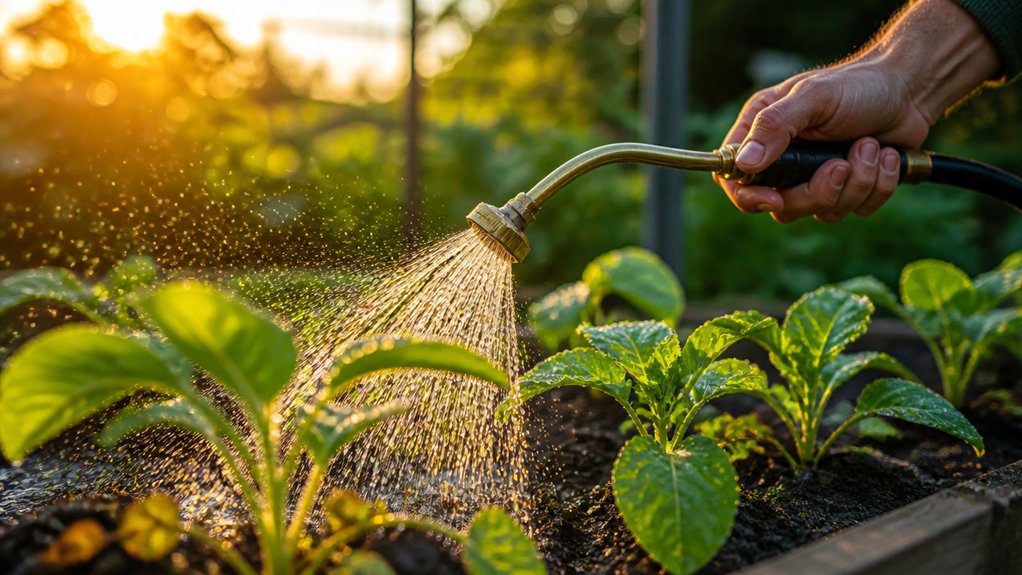
How much water does a garden actually need? Most gardens require about one inch of water per week, though this varies by climate, soil type, and plant species. Watering frequency depends on several factors:
- Soil composition affects retention; clay holds moisture longer than sandy soil
- Temperature and humidity influence evaporation rates markedly
- Plant type determines water requirements; tomatoes need more than succulents
- Rainfall reduces supplemental watering needs
Morning watering proves most effective, allowing plants to absorb moisture before heat increases evaporation. Afternoon watering wastes water to sun exposure. Evening watering can promote fungal diseases on foliage.
Deep watering encourages stronger root systems compared to shallow, frequent watering. Check soil moisture two inches below the surface; if dry, plants need water. Consistent moisture, not constant wetness, maintains healthy gardens.
Signs Your Plants Need Water (or Are Getting Too Much)
What visual clues indicate whether plants require water or suffer from excess moisture?
Underwatered plants display wilted leaves, dry soil, and brown leaf edges. The leaves may curl inward, and stems become brittle. Soil pulls away from pot edges, indicating severe drying.
Overwatered plants show yellowing leaves, soft stems, and a musty odor from roots. Leaves may drop prematurely. Soil remains consistently wet, and fungal issues appear as dark spots on foliage.
Checking soil moisture is essential. Insert a finger two inches into soil; dry soil means watering is needed. Wet soil indicates holding off. Most garden plants prefer slightly moist, not waterlogged, conditions.
Adjusting watering frequency based on these signs prevents common plant problems and promotes healthy growth throughout the growing season.
How Soil Type Changes Your Watering Schedule
Soil composition directly affects how often gardeners need to water their plants, since different soil types retain moisture at varying rates.
Sandy soil drains quickly, requiring more frequent watering. Clay soil holds water longer, needing less frequent application. Loamy soil, a balanced mixture of sand, silt, and clay, retains adequate moisture while allowing drainage.
Gardeners can test their soil type by observing drainage behavior. Water applied to sandy soil disappears within minutes. Clay soil remains wet for extended periods. Loamy soil strikes a middle ground between these extremes.
Adjusting watering schedules based on soil type prevents both drought stress and root rot. Sandy gardens may need daily watering during hot periods. Clay gardens require watering every three to five days. Understanding soil composition guarantees plants receive appropriate moisture levels.
Watering Methods and Tools for Every Garden Setup
Once gardeners understand their soil type and moisture needs, selecting appropriate watering methods becomes the next practical step. Several tools serve different garden configurations effectively.
Hand watering with a hose or watering can provides direct control, suiting container plants and small garden beds. Sprinklers distribute water over larger areas, though overhead sprinklers waste water through evaporation and foliage wetness. Soaker hoses and drip irrigation systems deliver water directly to soil, reducing waste and promoting deeper root growth.
These methods work well for vegetable gardens and landscape beds. Oscillating sprinklers cover rectangular patterns, while impact sprinklers handle circular areas. Timers attached to any system automate watering schedules, ensuring consistent moisture levels without daily attention. Selecting the right tool depends on garden size, plant types, and water availability.
Seasonal Water Needs and When to Adjust
Throughout different seasons, water requirements shift considerably based on temperature, rainfall, and plant growth cycles. Spring and summer demand frequent watering since plants actively grow, flowers bloom, and heat increases evaporation rates. Vegetables like tomatoes and lettuce need consistent moisture during warm months, typically requiring water every two to three days.
Fall presents moderate needs as growth slows and temperatures drop. Winter brings minimal requirements for most gardens, though evergreens and dormant perennials need occasional deep watering during dry spells.
Gardeners should monitor soil moisture rather than follow fixed schedules, adjusting frequency based on local weather patterns, rainfall amounts, and specific plant varieties. Checking soil two inches below the surface helps determine actual moisture levels and prevents both overwatering and underwatering problems.
Common Watering Mistakes and How to Fix Them
Even experienced gardeners make watering mistakes that harm plant health and waste water resources. Overwatering ranks as the most common problem, causing root rot in tomatoes, roses, and succulents. Underwatering, conversely, stresses plants and stunts growth in vegetables and flowers.
Watering at midday wastes water through evaporation before roots absorb it; early morning or evening proves more effective. Applying water to leaves instead of soil encourages fungal diseases on beans and squash. Inconsistent watering schedules create stress cycles that damage plant tissues.
Using cold water on warm soil can shock sensitive roots. Checking soil moisture before watering prevents both extremes. Adjusting frequency based on rainfall, temperature, and plant type addresses most mistakes effectively. These corrections improve plant vigor while conserving water resources.
Plant-Specific Water Requirements at a Glance
Different plants need different amounts of water to thrive, and understanding these requirements prevents both overwatering and underwatering problems.
Succulents and cacti require minimal water, needing moisture only when soil is completely dry. Herbs like basil and parsley prefer consistently moist soil but not waterlogged conditions. Vegetables such as tomatoes and peppers need regular watering, approximately one to two inches weekly, depending on rainfall and temperature.
Flowering plants vary widely. Roses require deep watering to encourage root growth, while impatiens prefer consistently damp soil and struggle in dry conditions. Lawns typically need one inch of water per week during growing seasons.
Houseplants generally need less frequent watering than outdoor plants. Checking soil moisture before watering remains the most reliable method for determining when plants actually need water, regardless of type.
Build Your Custom Watering Schedule
How can a gardener create a watering schedule that matches their specific plants and climate? The process involves evaluating several factors: soil type, local rainfall, temperature, and plant needs. Gardeners should note their region’s seasonal patterns, checking weather data for average precipitation and heat levels.
Next, they group plants by water requirements. Tomatoes and peppers need consistent moisture, while succulents prefer drier conditions. Herbs like basil tolerate moderate watering.
The schedule should account for soil drainage. Sandy soil drains quickly and requires frequent watering. Clay soil retains moisture longer, needing less frequent applications.
Gardeners can establish specific days for watering, adjusting based on recent rainfall and temperature fluctuations. Checking soil moisture two inches below the surface confirms whether watering is necessary. This customized approach prevents overwatering and underwatering problems.
Frequently Asked Questions
What Is the Best Time of Day to Water Gardens for Optimal Plant Health?
One might wonder if timing truly matters—it does. Early morning, ideally between 6-8 AM, proves ideal for plant health. This window allows foliage to dry before nightfall, minimizing disease risk while maximizing water absorption through cooler temperatures and reduced evaporation rates.
How Can I Conserve Water While Maintaining a Healthy and Thriving Garden?
Gardeners conserve water by using mulch to retain soil moisture, installing drip irrigation systems for targeted watering, choosing drought-resistant plants, and watering deeply but less frequently to encourage deep root growth.
Should I Use Tap Water, Rainwater, or Filtered Water for My Plants?
Rainwater proves ideal for plants, containing natural nutrients and lacking chlorine. Tap water works adequately for most gardens, though filtered water removes harmful chemicals. Each option has merits depending on local water quality and plant requirements.
Can Overwatering Plants Cause Permanent Damage to Their Root Systems?
Yes, overwatering causes permanent root damage. Studies show that 90% of houseplant deaths result from excessive watering, which suffocates roots by depleting oxygen in soil. Prolonged waterlogging leads to root rot, destroying the plant’s ability to absorb nutrients and recover.
How Do I Adjust Watering Routines When Traveling or Away From Home?
One can employ several methods to maintain plant hydration during absences. Self-watering systems, soaker hoses on timers, and moisture-retaining mulch help sustain plants. Alternatively, trusted individuals can water periodically, or one relocates potted plants to shadier locations.
Conclusion
Proper garden watering functions like a balanced recipe, requiring the right ingredients at the right time. Understanding soil type, seasonal changes, and individual plant needs creates a foundation for healthy growth. By monitoring moisture levels, selecting appropriate tools like drip irrigation, and adjusting frequency throughout the year, gardeners prevent common mistakes. Implementing these practices guarantees plants receive consistent hydration, minimizing waste while maximizing plant health and garden productivity.