
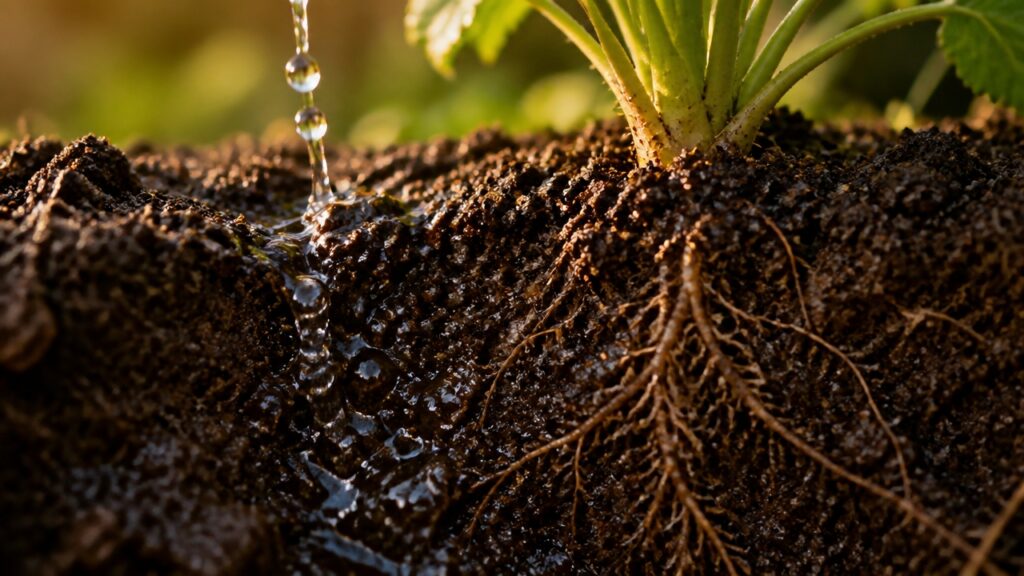
Picture a gardener on a hot afternoon, sprinkling water over their garden beds each day, thinking they’re doing everything right. Yet their plants still seem stressed and shallow-rooted. This daily habit, while well-intentioned, actually trains roots to stay near the soil surface where water evaporates quickly and drought becomes a real problem.
Deep watering works on a completely different principle. When you water slowly and heavily, soaking several inches down into the soil, roots respond by growing deeper to follow that moisture. These deeper roots tap into stable water reserves that don’t dry out as fast, making plants tougher and more resilient overall.
Most gardeners assume frequency matters most, but soil depth is actually what changes everything. One thorough watering that penetrates deep into the earth does far more for your plants than several quick sprinkles throughout the week.
The shift sounds simple, yet it reshapes how your entire garden grows.
The beauty of this approach is that it takes less total effort over time. Deeper-rooted plants need watering less often, they handle dry spells better, and they develop stronger stems and foliage.
Once you understand why depth beats frequency, you’ll see your garden transform.
Why Shallow Watering Weakens Plants
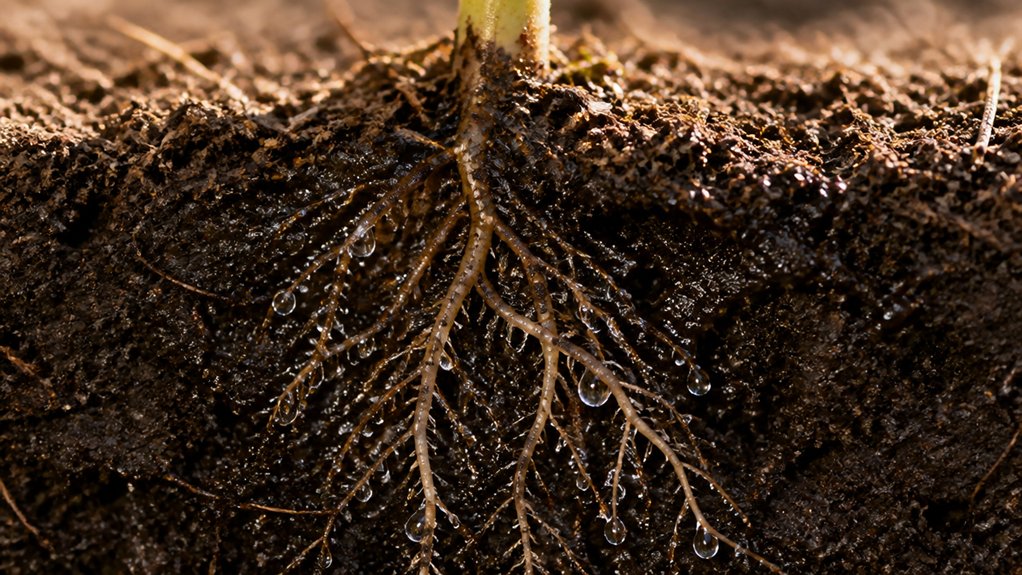
When water reaches only the top inch or two of soil, plant roots stay confined to this shallow zone and never develop deep into the earth. Shallow-rooted plants become vulnerable to drought stress, since surface soil dries quickly under sun and heat. Turf grass, vegetable gardens, and ornamental shrubs all suffer from inconsistent moisture when watering remains superficial.
Deep root systems provide plants with several advantages. They access water reserves further underground, tap into nutrient-rich soil layers, and anchor plants against wind damage.
Plants watered frequently but lightly develop weak, fibrous root networks near the surface. This creates dependency on constant watering schedules. Conversely, deep watering encourages roots to grow downward, establishing stronger, more resilient plants. Established root depth reduces watering frequency requirements and improves overall plant health and longevity.
How Deep Watering Trains Roots to Grow Stronger
Deep watering operates on a straightforward principle: roots follow moisture downward into the soil. When gardeners water deeply and infrequently, roots extend further down to reach available water supplies. This downward growth creates stronger, more extensive root systems compared to shallow watering.
Plants with deep roots access moisture reserves below the surface, making them more resilient during dry periods. The roots of trees like oaks and maples naturally develop this way, growing several feet deep over time.
Shallow-rooted plants, by contrast, remain dependent on frequent surface watering. Deep watering encourages root systems to establish themselves in stable soil layers. This process takes weeks or months, but results in healthier, more drought-tolerant plants. The investment of time in proper watering practices pays dividends through improved plant strength and longevity.
Why Water Depth Changes How Roots Grow
Why Water Depth Changes How Roots Grow
Because water availability determines where roots search for moisture, the depth at which gardeners apply water directly influences root growth patterns. Shallow watering, typically one to two inches deep, encourages roots to remain near the soil surface where water pools quickly. These surface roots become dependent on frequent watering and lack resilience during dry periods.
Deep watering, reaching six to twelve inches or more depending on plant type, prompts roots to extend downward searching for moisture. Deeper roots access water reserves further underground, where soil retains moisture longer.
Plants with deep root systems demonstrate increased drought tolerance, improved nutrient uptake from lower soil layers, and greater structural stability. The root depth ultimately matches the water penetration depth, making deep watering essential for developing robust, expansive root networks.
How Often to Water Deeply (Frequency by Season and Plant Type)
The frequency of deep watering varies markedly based on seasonal conditions, soil type, and plant species. During spring and summer, most plants require deep watering once weekly, though fast-draining sandy soils may need twice-weekly applications. Fall and winter demand reduced frequency, typically every two to three weeks, as cooler temperatures slow evaporation and plant growth.
Established trees and shrubs tolerate deeper, less frequent watering, every two to four weeks. Young plants and vegetables need more consistent moisture, requiring weekly deep watering during growing seasons. Native plants adapted to local climates often need less frequent watering than ornamental species.
Clay soils retain moisture longer, allowing extended intervals between watering. Sandy soils dry quickly and require more frequent deep watering cycles.
How to Apply Water Deeply (3 Proven Methods)
Applying water deeply requires selecting an appropriate delivery method that guarantees moisture reaches the root zone rather than running off the soil surface. Soaker hoses deliver water slowly and directly to soil, minimizing evaporation and surface runoff. Drip irrigation systems offer controlled water distribution through emitters placed near plants, allowing precise application rates.
Hand watering with a standard hose works effectively when held close to the ground, though it demands patience and consistent technique. Each method achieves deep penetration by delivering water gradually over extended periods.
Soaker hoses suit garden beds and landscape areas. Drip systems work well for containers and organized gardens. Hand watering accommodates smaller spaces and individual plants. Selection depends on garden size, plant density, and available time for application.
How Soil Type Affects Deep Watering
Soil composition directly determines how quickly water penetrates to plant roots and how long moisture remains available for absorption. Sandy soil drains rapidly, requiring more frequent deep watering sessions. Clay soil retains water longer but may develop compaction, restricting root access. Loamy soil, containing balanced sand, silt, and clay, holds moisture effectively while allowing proper drainage.
Deep watering effectiveness varies by soil type. Sandy gardens need water applied slowly to prevent runoff before absorption occurs. Clay soils benefit from less frequent but thorough watering, as moisture persists longer.
Adding organic matter like compost improves water retention in sandy soils and drainage in clay soils. Understanding individual soil characteristics allows gardeners to adjust watering depth, frequency, and application speed accordingly.
Visual Signs Your Plants Are Responding to Deep Watering
Observable changes in plant appearance indicate whether deep watering is meeting root moisture needs effectively. Plants receiving adequate deep watering develop stronger, more vigorous growth, with leaves appearing fuller and more turgid. Leaf color deepens, showing richer greens rather than dull, pale tones that indicate stress. Root systems expand more extensively through moist soil layers, supporting increased nutrient uptake and overall plant vigor.
Conversely, plants still suffering from shallow watering show wilting despite surface moisture, yellowing leaves, and stunted growth. Flower and fruit production improves noticeably with deep watering, as plants direct more energy toward reproduction rather than survival.
Soil moisture penetration becomes visible when digging near the plant, revealing moist earth several inches below the surface, confirming the deep watering method’s effectiveness.
Common Deep Watering Mistakes and How to Fix Them
Why do gardeners frequently abandon deep watering efforts after initial attempts? Common mistakes often discourage continued practice. Watering too quickly fails to allow soil absorption, causing runoff that wastes water without reaching roots. Inconsistent scheduling prevents deep roots from establishing properly, limiting drought tolerance benefits. Overwatering creates soggy conditions, promoting root rot and fungal diseases in clay or compacted soils.
Fixing these errors requires adjustments. Slow the watering pace, allowing soil to absorb moisture gradually over 30-45 minutes. Establish consistent schedules matching seasonal rainfall patterns and plant needs.
Check soil moisture at 6-8 inches depth before watering again. Improve drainage by amending heavy soils with organic matter like compost. These modifications transform deep watering from frustrating to effective, strengthening plant resilience and reducing overall water consumption.
Is Your Garden Getting Enough Water? (Quick Diagnostic)
Determining adequate watering requires observation of plant and soil conditions at regular intervals. Gardeners can check soil moisture by inserting a finger two inches deep, feeling for dampness rather than wetness or dryness. Wilting leaves, yellowing foliage, and stunted growth indicate insufficient water reaching root zones. Conversely, soggy soil, fungal growth, and root rot signal overwatering problems.
Visual inspection of the soil surface provides quick assessment data. Dry, cracked, or hardened soil suggests deeper watering is needed.
Plants in containers dry faster than garden beds, requiring more frequent checks. Observing drainage patterns helps determine if water penetrates adequately. Water should soak several inches down, not run off surfaces or pool excessively. Adjusting watering depth and frequency based on these observations creates ideal growing conditions for most plant species.
Frequently Asked Questions
Can Deep Watering Reduce My Water Bill Compared to Frequent Shallow Watering?
Yes, deep watering typically reduces water consumption compared to frequent shallow watering. Deep watering encourages stronger root systems that require less frequent irrigation, potentially lowering overall water usage and associated utility bills over time.
Is Deep Watering Suitable for Container Plants and Potted Houseplants Indoors?
Deep watering can be a double-edged sword for potted houseplants. While beneficial for soil penetration, containers lack drainage depth that outdoor plants enjoy. Consequently, moderate watering with proper drainage holes remains the safer, more practical approach indoors.
What’s the Ideal Water Temperature for Deep Watering Established Garden Plants?
Room temperature water, between 60-70°F, proves ideal for deep watering established garden plants. Cold water can shock roots and impede nutrient absorption, while warm water may encourage harmful pathogens. Gardeners should allow tap water to sit overnight before application.
How Do I Deep Water Plants During Droughts or Water Restrictions?
One discovers that survival hinges on precision. During restrictions, gardeners employ soaker hoses and drip irrigation to deliver water directly to root zones, ensuring maximum absorption while minimizing waste—a critical distinction when every drop matters.
Can Deep Watering Prevent Common Plant Diseases Caused by Surface Moisture?
Deep watering can help reduce certain fungal diseases by keeping foliage dry. When water reaches only the soil surface, leaves remain moist longer, promoting mildew and leaf spot development. Deeper irrigation directs moisture to roots, minimizing leaf wetness and disease susceptibility.
Conclusion
Deep watering strengthens roots, builds drought tolerance, and reduces watering frequency. Shallow watering weakens plants, promotes surface roots, and increases water needs. Proper depth encourages nutrient uptake, prevents soil compaction, and creates resilient gardens. Gardeners should adjust frequency by season, consider soil type, and watch for visual signs of improvement. Deep watering requires consistency, patience, and attention to plant responses for best results.