
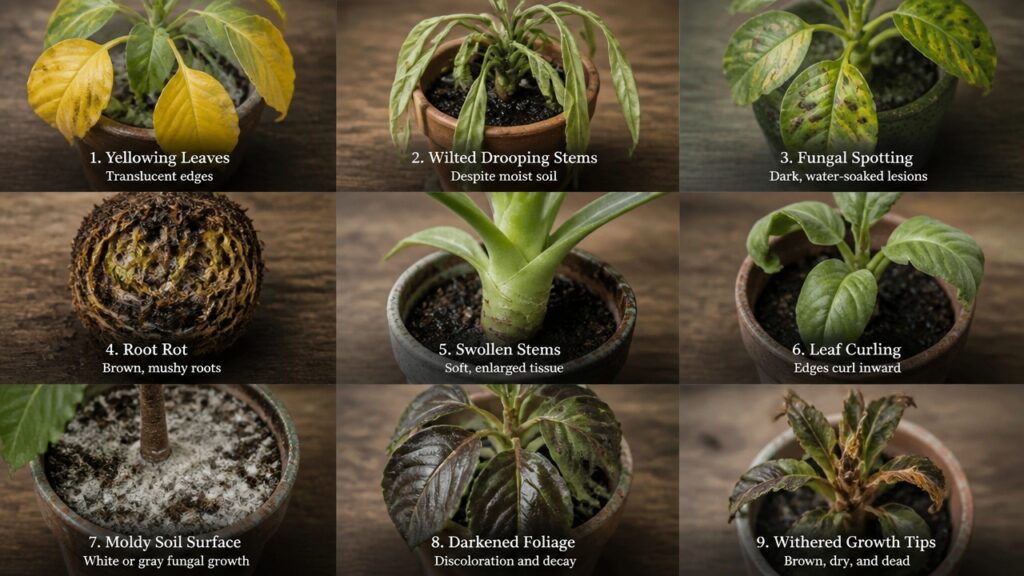
Overwatering happens more often than most people realize, and it sneaks up quietly. By the time you notice yellowing leaves or that musty smell coming from the soil, your plant is already struggling.
Root rot can develop faster than you’d expect, turning a healthy plant into a lost cause in just a few weeks. Many gardeners miss the early warning signs because they look so similar to other plant problems.
Soft, mushy stems might seem minor, but they’re actually one of the clearest signals that roots are drowning in moisture. Stunted growth and leaves that feel oddly limp are also red flags worth catching early on.
The tricky part is knowing the difference between a plant that’s thirsty and one that’s had too much water. Both can cause wilting, which confuses gardeners into watering even more.
Learning to check your soil before watering, rather than following a strict schedule, makes all the difference in keeping your plants healthy.
Recognizing these nine subtle indicators takes practice, but it’s worth the effort. Once you understand what overwatering actually looks like in your specific plants, you’ll catch problems before they become serious.
Your garden will thank you with stronger growth and fewer disappointments.
Yellow or Translucent Leaves: The First Visual Warning
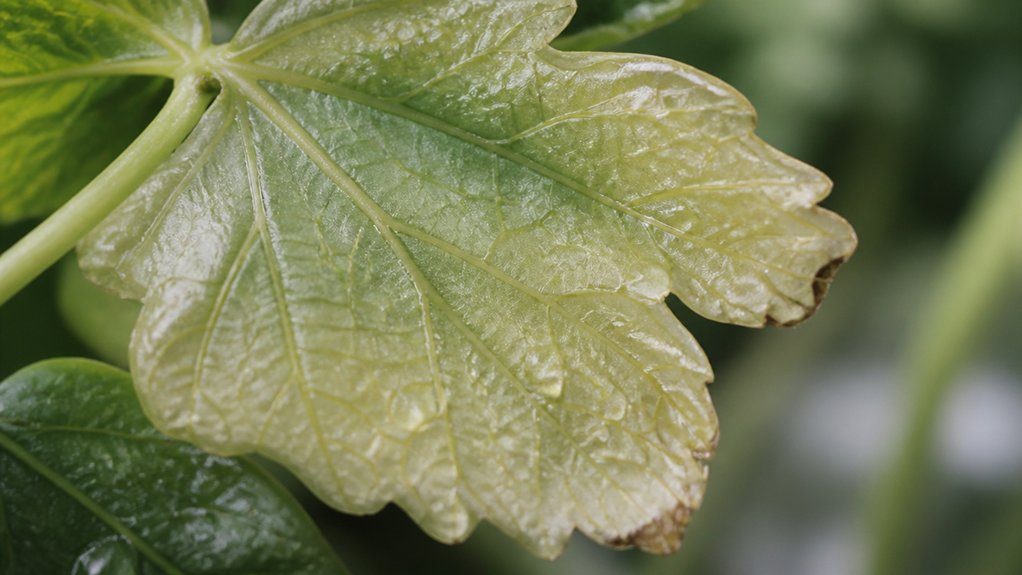
When plants receive too much water, their leaves often display yellowing or a translucent, waterlogged appearance. This occurs because excess moisture prevents roots from absorbing oxygen, causing root damage and nutrient uptake problems. Affected leaves may feel soft or mushy rather than firm and crisp.
Yellow leaves typically appear first on lower portions of the plant, gradually progressing upward. Translucent spots indicate cellular breakdown from waterlogging. Houseplants like pothos, peace lilies, and philodendrons show these symptoms quickly.
The timing matters considerably. If yellowing develops within days of watering, overwatering is the likely cause rather than nutrient deficiency or disease. Gardeners should check soil moisture before interpreting leaf discoloration, since multiple conditions produce similar visual warnings on foliage.
Soft, Mushy Stems and Foul-Smelling Soil
Stem deterioration and soil odor serve as advanced indicators of overwatering damage. When plants receive excessive water, their stems become soft and mushy, losing structural integrity and firmness. This deterioration occurs because root rot develops underground, preventing nutrient absorption and weakening the entire plant structure.
Foul-smelling soil indicates anaerobic conditions, where beneficial oxygen becomes depleted. Gardeners may notice sour, rotten, or sulfurous odors emanating from the potting mix. These smells signal harmful bacteria and fungi thriving in waterlogged conditions.
Common affected plants include succulents, orchids, and snake plants, which naturally prefer drier environments. Checking soil moisture before watering and ensuring proper drainage holes in containers prevents these advanced warning signs. Early intervention through reduced watering and soil replacement improves plant survival rates considerably.
Hidden Root Rot Beneath the Surface
Root rot develops invisibly underground, destroying the plant’s foundation before visible symptoms appear above soil. The disease thrives in constantly wet conditions, where fungi and bacteria colonize roots, causing them to decay and turn brown or black. Gardeners often miss this problem until significant damage occurs.
Early detection requires examining roots directly. Gently remove the plant from its pot, observing the root system carefully. Healthy roots appear white or light tan and feel firm. Rotted roots feel soft, mushy, and may release a foul odor when touched.
The soil may also appear waterlogged or compacted, preventing oxygen from reaching the root zone. Once root rot advances, recovery becomes difficult. Prevention through proper watering schedules and well-draining soil proves far more effective than treatment.
Wilting Leaves That Stay Wet to the Touch
While root rot destroys the plant’s underground systems, another symptom often appears simultaneously above the soil surface: wilting leaves that feel wet and limp rather than crispy and dry.
This occurs because waterlogged roots cannot absorb oxygen, causing them to fail at transporting water and nutrients upward. Paradoxically, the plant wilts despite excessive moisture in the soil.
Affected leaves appear droopy and soft, lacking the papery texture of drought-stressed foliage. Gardeners can identify this condition by touching leaves on affected plants like tomatoes, petunias, or houseplants. The foliage feels cool and clammy instead of warm and brittle. The soil remains soggy several inches below the surface, even days after watering. This combination of wet leaves, wilting appearance, and saturated soil indicates overwatering damage requiring immediate drainage improvements.
Fungal Growth, Mold, and Mildew on Foliage
Excessive moisture creates ideal conditions for fungal organisms to thrive on plant leaves, stems, and soil surfaces. When soil stays consistently wet, spores germinate and spread rapidly across foliage, producing visible white, gray, or black growth.
Common fungal issues include powdery mildew, which appears as fine powder on leaves, and leaf spot diseases, which create dark circular patches. Mold grows in soil and at the base of stems, releasing spores into the air. Mildew thrives in humid, poorly ventilated environments where water sits on leaves.
Gardeners should inspect plants regularly for these signs, as fungal infections weaken plant tissue and reduce photosynthesis. Adjusting watering frequency and improving air circulation around plants helps prevent these conditions from developing.
Stunted Growth Without Other Obvious Stressors
When plants remain small and fail to develop new leaves or stems despite adequate light and nutrients, overwatering often causes the problem. Excess moisture prevents roots from absorbing oxygen, which stunts growth even when soil contains sufficient fertilizer. Affected plants like tomatoes, petunias, and houseplants display this symptom consistently.
The issue occurs because waterlogged roots cannot expand or function properly. Plants conserve energy rather than investing in new growth. Gardeners frequently overlook this cause since stunting can resemble nutrient deficiency or insufficient lighting.
Checking soil moisture reveals the actual problem. Soggy, compacted soil indicates overwatering as the culprit. Growth typically resumes after adjusting watering schedules and improving drainage conditions. Container plants benefit from drainage holes and well-draining potting mix to prevent this issue.
Soil That Never Dries Out Between Waterings
Soil remaining constantly wet or muddy indicates a serious moisture retention problem that damages plant roots over time. Healthy soil should dry noticeably between waterings, allowing oxygen to reach root systems. When soil stays saturated for extended periods, roots cannot absorb oxygen properly, leading to decay and fungal infections.
Gardeners can check soil moisture by inserting a finger two inches deep into the soil. If moisture persists for several days after watering, the plant requires intervention. Poor drainage in pots without drainage holes, heavy clay soils, and frequent watering schedules all contribute to this problem.
Repotting plants into well-draining soil mixtures, using containers with drainage holes, and adjusting watering frequency can resolve persistent wetness issues. These changes restore proper air circulation to roots.
Leaves Dropping Despite a Healthy-Looking Plant
Why do plants shed leaves when they appear otherwise healthy and green? Overwatering causes root rot, which prevents nutrient and water uptake, triggering leaf drop as a survival response. The plant looks fine above soil because visible damage develops slowly underground.
Common affected plants include tomatoes, peppers, and houseplants like philodendrons. Gardeners often miss this sign because they focus on leaf color rather than leaf retention. Yellow or brown leaves falling from a plant with lush green growth indicates waterlogged roots.
The process works like this: excessive moisture suffocates roots, beneficial soil bacteria die, and pathogenic fungi multiply. As roots deteriorate, the plant cannot transport water upward efficiently, so it conserves resources by dropping leaves.
Checking soil moisture before watering prevents this cascade of damage.
Emergency Recovery: Saving Your Overwatered Plant
Once root rot develops, immediate action becomes necessary to prevent plant death. The gardener should remove the plant from its pot, then inspect the roots for dark, mushy tissue. Healthy roots appear white or light tan, while rotted roots feel soft and smell foul.
Trimming away diseased roots with clean scissors helps stop decay from spreading. The gardener must repot the plant using fresh, dry soil in a container with drainage holes.
Orchids, succulents, and African violets recover well from root rot when treated promptly. Watering should pause for several days after repotting, allowing the soil to dry. Reduced humidity and improved air circulation around the plant support recovery. If rot affects most of the root system, propagation from healthy stems may offer the best chance for survival.
Frequently Asked Questions
How Often Should I Water My Plants to Avoid Overwatering Problems?
One should water plants when the top inch of soil feels dry to the touch, typically once or twice weekly depending on climate, plant type, and season. Checking soil moisture before watering prevents overwatering and guarantees ideal plant health.
Which Plants Are Most Susceptible to Damage From Excessive Watering?
While water sustains life, excess moisture destroys certain species. Succulents, cacti, and orchids are particularly vulnerable to root rot from overwatering. These plants evolved in arid environments and require minimal moisture, unlike thirsty ferns and tropical varieties.
Can Overwatered Plants Recover Completely, or Will They Have Permanent Damage?
Overwatered plants can recover if damage remains mild, though severe root rot typically causes permanent harm. Early intervention—reducing watering frequency and improving drainage—offers the best chance for complete recovery. Advanced decay often results in irreversible plant death.
What’s the Best Way to Test Soil Moisture Before Watering Plants?
One can insert a finger one to two inches into the soil; if it feels dry, watering is needed. Alternatively, gardeners may use a moisture meter for precise readings, ensuring accurate hydration levels.
How Does Pot Drainage Affect Overwatering Risk in Container Gardening?
Coincidentally, proper drainage holes prove critical for container gardening success. Inadequate drainage traps excess water around roots, creating conditions where soil remains saturated. Gardeners should guarantee pots feature sufficient drainage openings to prevent waterlogging and root rot development.
Conclusion
Overwatering plants poses a catastrophic threat to garden health, turning thriving specimens into rotting disasters within weeks. Gardeners must monitor leaves, soil conditions, and roots obsessively to catch early warning signs. Yellow leaves, mushy stems, foul odors, and persistent wetness demand immediate action. Without intervention, plants face total collapse. Early detection of these nine critical symptoms separates successful gardeners from those watching their collections perish from excessive moisture damage.